Moving Tips
Packing Fragile Items: Crockery, Glassware, TV and Mirrors

Quick answer
Practical packing techniques for crockery, glassware, televisions and mirrors to reduce transit damage during a house move.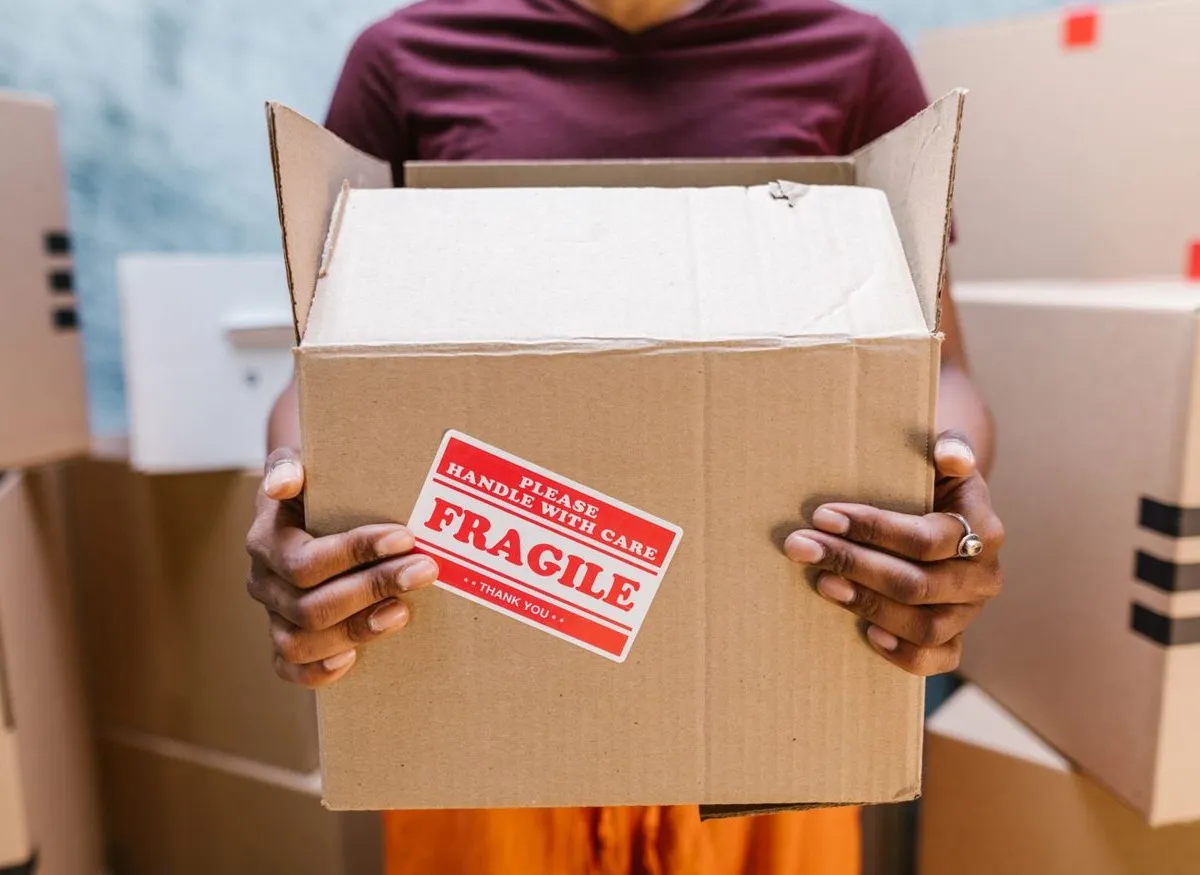
Table of contents (5 sections)
Crockery, glassware, televisions and mirrors account for a disproportionate share of transit damage claims, not because movers are careless with them, but because these items genuinely need more attention than a stack of clothes or books. Here is how these categories should be packed, whether your movers are doing it for you or you are packing some of it yourself.
Crockery and dinner sets
- Wrap each plate individually in packing paper or bubble wrap, never stacking unwrapped plates directly on top of each other.
- Stack plates vertically, not flat, inside the box. Plates packed on their edge, like records in a crate, absorb shock better than a flat horizontal stack, which tends to crack under pressure from above.
- Use dish-pack boxes with reinforced double-wall cardboard where possible, since standard boxes can flex and put pressure on stacked crockery.
- Fill every gap in the box with crumpled paper or bubble wrap so nothing shifts during transit. A box that rattles when shaken gently is not packed tightly enough.
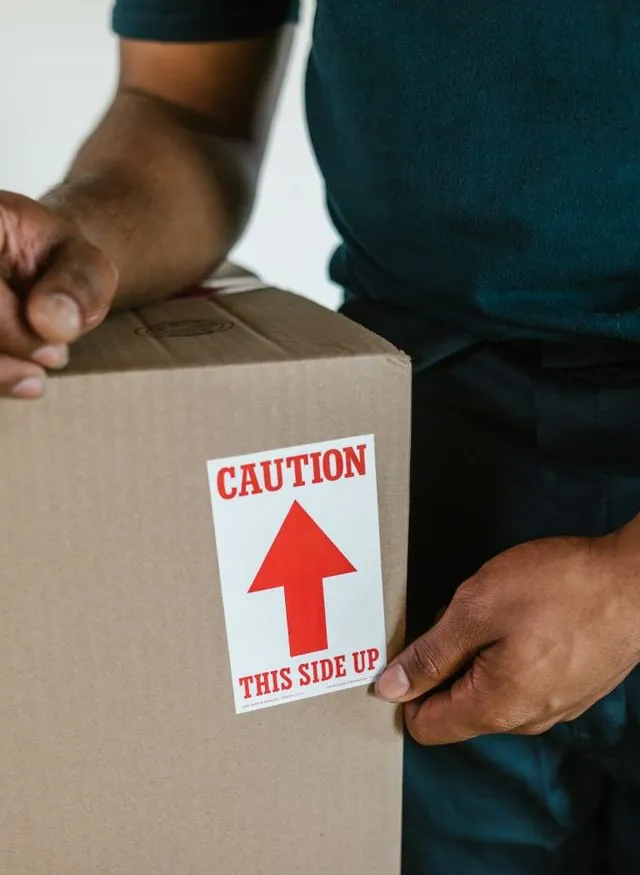
- Label the box clearly as fragile and indicate "this side up" if the packing orientation matters.
- Do not overload the box. A smaller, well-packed box of crockery is safer to carry and stack than one large box crammed to capacity.
Glassware, cups and decorative glass items
- Wrap glasses individually, stuffing the inside of each glass with paper for extra rigidity before wrapping the outside.
- Never nest glasses inside each other without padding between them, as this is one of the most common causes of chipped rims.
- Place heavier glass items at the bottom of the box and lighter, more delicate pieces towards the top, with padding layered between each row.
- For decorative glass or crystal items, wrap in bubble wrap and place in a smaller box with cushioning on all sides, rather than grouping them with everyday glassware.
Television
- Use the original box if you still have it. It is designed specifically for your TV's dimensions and offers the best protection available.
- If the original box is unavailable, a proper TV-specific moving box with corner protectors and bubble wrap works well as a substitute.
- Never lay a flat-screen TV horizontally for extended periods or apply pressure to the screen, since this can damage the panel.
- Detach the stand and pack it separately, and remove any wall-mount brackets carefully, keeping the screws and fittings in a labelled bag taped to the box.
- Keep remote controls and cables together in a small labelled pouch rather than letting them get separated into different boxes.
- Avoid keeping the TV in the moving truck for extended waiting periods in extreme heat or direct sunlight.
Mirrors and framed artwork
- Use mirror or picture cartons, which are flat, telescoping boxes designed specifically for this shape.
- Apply masking tape in an X or grid pattern across the glass surface before wrapping. This does not prevent breakage on its own, but it holds glass fragments together if the mirror does crack, preventing shards from scattering.
- Wrap in bubble wrap first, followed by a blanket or foam sheet, before placing into the carton.
- Always transport mirrors and framed items vertically, never flat, and never with heavy items stacked on top.
- Mark clearly as fragile and "glass" so the crew knows to place it last in the truck, closest to the door, minimising handling during transit.
General principles that apply across all fragile items
- Use good quality, new cardboard boxes rather than reused boxes that may already be weakened.
- Never leave empty space inside a box. Cushioning material should fill every gap, top, bottom and sides.
- Keep fragile boxes separate from heavy items during loading, and communicate clearly with your moving crew about which boxes need extra care.
- Load fragile boxes last so they sit on top in the truck, not underneath heavier furniture or appliance boxes.
- Consider transit insurance specifically for high-value fragile items, since even careful packing cannot eliminate all risk on long road journeys.
At Urban Relocations, our packing teams use dish-pack cartons, bubble wrap and wooden crating where needed for particularly valuable or delicate items. If you are packing fragile items yourself before our team arrives, following the steps above significantly reduces the chance of damage, and we are always happy to guide you on specific items over a call before your move.