Moving Tips
Moving with Kids and Pets: A Family Relocation Guide

Quick answer
How to prepare children and pets for a house move in India, from talking to kids about the change to keeping pets calm on moving day.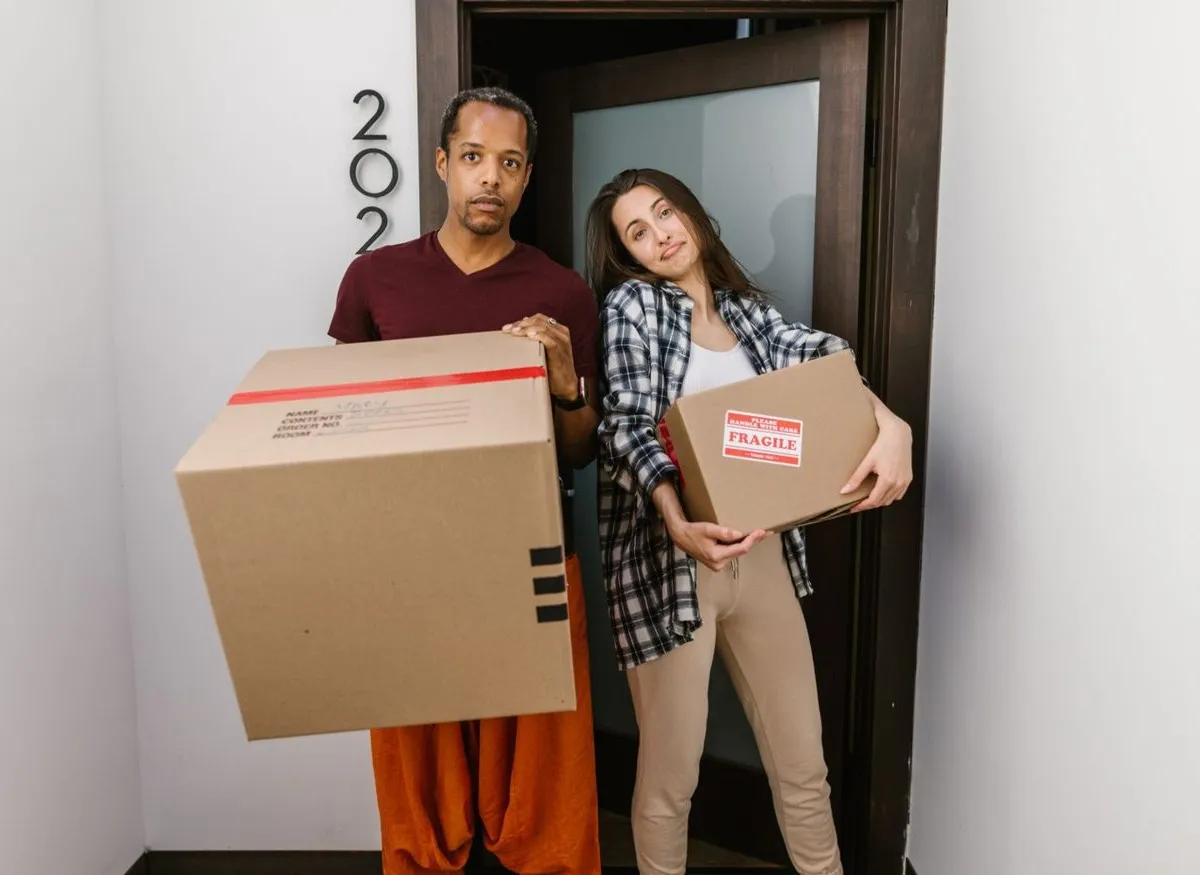
Table of contents (6 sections)
Moving house is disruptive for adults who at least understand why it is happening. For children and pets, a sudden change of home, routine and surroundings can be confusing and stressful, even when the move itself is a positive one, like a bigger house or a new city. A little extra planning around your kids and pets makes the transition considerably smoother for the whole family.
Talking to your children about the move
Children, especially younger ones, cope better with change when they understand what is happening rather than being surprised by it. Explain the move in simple terms as early as reasonably possible, and be honest about what will change, such as a new school or leaving friends behind, while also highlighting things they might look forward to, like a new room or a nearby park.
Involve them in age-appropriate ways
- Let younger children pack their own small box of favourite toys and books, giving them some sense of control over the process.
- Let older children help with sorting and labelling their own belongings, which also reduces the packing burden on you.
- Take them to see the new home or neighbourhood beforehand if the distance allows, even a few photos or a video call walkthrough can help.
Keep a bag of essentials for kids on moving day
Pack a separate bag with your child's favourite toy, a comfort item, snacks, any medication, a change of clothes and entertainment for the journey, kept with you rather than loaded onto the moving truck. Moving day is long and unpredictable, and having these essentials within reach keeps things calmer for everyone.
School transfers
- Start the transfer certificate and documentation process early, since this can take time depending on the school board and city.
- If moving mid-academic year, try to time the move around a school break or term end where possible, to reduce disruption to your child's schooling.
- Research schools at the destination in advance so admission processes can begin before you arrive, rather than after.
Settling children in after the move
Try to set up your child's room, or at least their bed and a few familiar belongings, as one of the first things unpacked at the new house. Familiar objects in a new space help children adjust faster than an unpacked, unfamiliar room. Maintaining regular routines, like usual meal times and bedtime, even amid the general chaos of unpacking, also helps.
Moving with pets
Before moving day
- Visit your vet for a check-up and to get an updated health certificate, particularly important if you are moving to another state or need to board your pet for any part of the journey.
- Update your pet's identification tag and microchip details with your new address and contact number before the move.
- Keep your pet in a familiar, closed room on packing day, away from the noise and open doors of the moving process, to reduce their stress and prevent them from slipping out unnoticed.
On moving day
- Keep pets in a secure carrier or on a leash during loading and unloading, since open doors and unfamiliar people moving in and out are exactly when pets tend to bolt.
- If possible, arrange for a friend or family member to look after your pet for the busiest hours of the move, away from the house entirely, to keep both the pet and the moving process stress-free.
- Carry food, water, a leash, waste bags and any medication with you rather than packing these into the moving truck.
Travelling with pets over long distances
- Plan for regular breaks if travelling by road for an interstate move, allowing your pet to walk, drink water and relieve themselves.
- Avoid feeding a large meal right before travel to reduce the chance of motion sickness.
- Keep them in a well-ventilated carrier secured properly in the vehicle, rather than allowed to move freely, for their own safety.
After arrival
- Set up your pet's bed, bowls and familiar items first, in a quiet corner of the new house, before the rest of the unpacking begins.
- Keep them confined to one or two rooms initially, gradually letting them explore the rest of the house once they seem settled, rather than giving full access to an unfamiliar space immediately.
- Maintain their usual feeding and walking schedule as closely as possible in the first few days.
- Register with a local vet near your new home, in case of any emergency in the initial weeks.
A family move involves more than just moving furniture from one address to another, and the emotional side of it, for children and pets alike, deserves as much planning as the logistics. Urban Relocations' teams are used to working around families with children and pets present during the move, and we are happy to adjust our packing and loading schedule where possible to keep the day as calm as it can be.