Vehicle Shifting
Car and Bike Transportation: How to Prepare Your Vehicle

Quick answer
Step-by-step preparation for transporting a car or bike during relocation in India, covering carriers, documentation and post-move re-registration.
Table of contents (8 sections)
Transporting a car or bike during a relocation is a different process from moving household goods, and it needs its own preparation. Whether you are shifting the vehicle by road on a car carrier or having it driven, a few steps before pickup can save you both money and worry.
Choosing between a car carrier and a driven transport
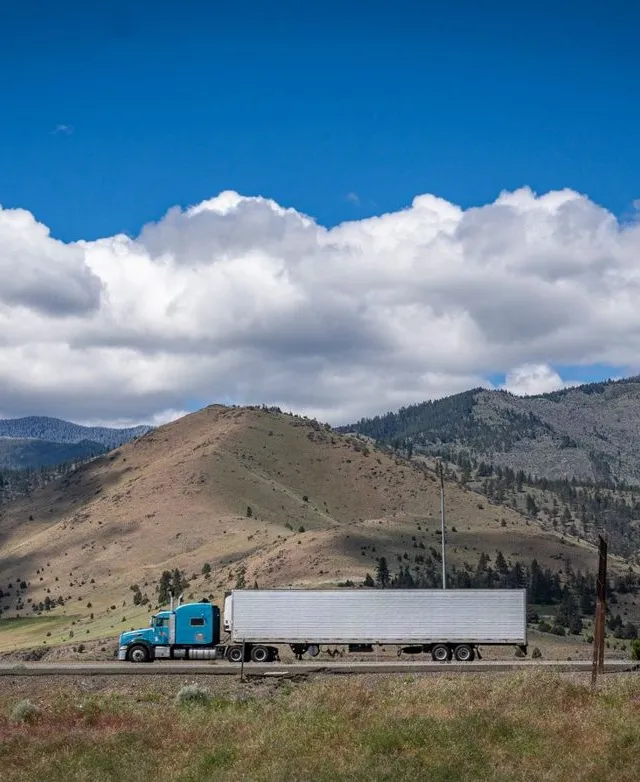
Most interstate vehicle transport in India happens on an open or enclosed car carrier truck, where your vehicle is loaded and secured alongside others and driven to the destination city. This is generally the safer option since your car does not accumulate transit mileage or road wear. Driven transport, where a driver takes your vehicle on the road to the new city, is sometimes used for shorter distances but adds mileage, fuel cost and road risk to your vehicle. For long interstate moves such as Delhi to Pune or Bangalore to Kolkata, a carrier is almost always the better choice.
Open versus enclosed carriers
An open carrier is the standard and more affordable option, exposing the vehicle to dust and weather during transit but posing no real risk under normal conditions. An enclosed carrier fully covers the vehicle and is typically used for premium or vintage cars where owners want extra protection from dust, stone chips and weather. For a regular family car or a two-wheeler, an open carrier is usually sufficient.
Preparing your car before pickup
- Wash the car before the survey and pickup. This makes it far easier to spot and document any existing scratches or dents accurately.
- Photograph the car from all angles, including close-ups of any existing damage, the odometer reading, and the fuel gauge. Timestamp these photos if your phone allows it.
- Keep the fuel tank around a quarter full. A full tank adds unnecessary weight and, in some cases, is a safety concern for carrier transport. A quarter tank is usually enough for loading, unloading and a short drive at the destination.
- Remove personal belongings from the car, including documents, chargers, sunglasses, and anything in the glove compartment or boot. Transporters are not responsible for personal items left inside.
- Check and note the tyre condition and pressure, and ensure the spare tyre and jack are in place.
- Disable or inform about any aftermarket alarm systems so they do not go off unexpectedly during loading or transit.
- Hand over both sets of keys if required, and confirm with your mover how the keys will be handled and returned at delivery.
Documents to keep ready
- Registration Certificate (RC) copy
- Valid insurance policy copy
- Pollution Under Control (PUC) certificate
- A copy of your driving licence and ID proof
- The transport company's booking receipt and vehicle condition report signed at pickup
Re-registration after an interstate move
If you are relocating your car permanently to another state, Indian motor vehicle rules require you to apply for a No Objection Certificate (NOC) from the original Regional Transport Office (RTO) and re-register the vehicle with the RTO in your new state, typically within a specified period of establishing residence there. Road tax also needs to be paid afresh in the new state, since it varies from state to state. It helps to start this process early, since RTO procedures can take time, and to keep your original registration documents, insurance and PUC certificate easily accessible during this period.
Bike transport specifics
- Drain excess fuel, leaving only a small amount, similar to a car.
- Remove side mirrors and other loose accessories if the transporter recommends it, to prevent damage during loading and securing.
- Photograph the bike from multiple angles before handover, exactly as you would for a car.
- Check the chassis and engine number printed on the documents match the vehicle, and keep this noted for reference during delivery verification.
Insurance for vehicle transit
Ask specifically whether transit insurance for your car or bike is included in the transport charge or needs to be purchased separately. This is distinct from your regular motor insurance policy, which typically does not cover transit-related damage by a carrier. Confirm the claim process and documentation needed in case of any damage before you hand over the vehicle.
At delivery
Inspect the vehicle carefully against your pickup photographs before signing the delivery receipt. Check for any new scratches, dents, or issues with the tyres, mirrors or interior. If you notice damage, note it on the delivery documentation immediately and inform the transporter in writing, since claims raised after signing a clean delivery receipt are much harder to pursue.
Urban Relocations arranges car and bike transport alongside household shifting for customers across our branch network, so your vehicle and your household goods can often be coordinated as part of the same move, simplifying the planning on your end.